Higher education has a value problem. That does not mean college has stopped being valuable. The reality is more complicated. Gallup reported this summer that only 38 percent of American adults have high confidence in higher education, down from 57 percent in 2015.[1] Yet students remain considerably more optimistic. Roughly three-quarters of current students say their degree is worth the cost, and approximately nine in ten believe their education will provide the skills they need for the job they want.[2] That disconnect should get the attention of every college professor.
Students are not simply questioning whether college matters. They are questioning whether what they are learning will still matter by the time they enter the workforce. They can see occupations changing in real time. Artificial intelligence can write reports, analyze data, create presentations, generate marketing content and perform tasks that only a few years ago would have been assigned to an entry-level employee. In 2026, Gallup found that 42 percent of bachelor’s degree students said AI had caused them to give at least a fair amount of thought to changing their major. Among associate degree students, the number was 56 percent.[3]
So when a student sits in a business classroom and wonders, “Why do I need to know this?” dismissing the question is a mistake. It is a legitimate question.
In Displacement Value Theory, Britton Leggett and I argue that technological disruption can cause students to reassess the value of the skills, education and career pathways in which they are investing. If students believe technology may displace what they are learning, that belief can change how they evaluate the return on their education.[4] That does not mean AI makes college less valuable. It means professors can no longer assume students will recognize that value automatically.
That starts with passionate and creative professors.
Students need professors who walk into a classroom excited about what they teach and determined to make it relevant. We have to get beyond the idea that teaching means transferring a chapter of information from a textbook or PowerPoint deck into a student’s notes. Information is everywhere. AI can explain almost any basic business concept in seconds. The classroom has to provide something students cannot get by simply asking a chatbot for an explanation.
That means creating experiences.
Bring companies into the classroom. Give students messy problems without perfectly defined answers. Let executives challenge their assumptions. Let students present ideas to people who might actually use them. Build simulations, competitions, role plays and projects that create a little nervous energy when students walk into class.
I have seen the difference when students work on real problems for real organizations. A supply chain concept changes when students have to explain their recommendation to a logistics company. Professional selling changes when the buyer across the table is not simply another student reading from a script. Strategy changes when a business owner is waiting to hear whether the students have identified something the company can actually use.
The evidence supports this approach. Gallup and Lumina Foundation’s 2026 research on college graduates found that relationships with professors, mentorship, internships and jobs connected to classroom learning were among the experiences associated with how graduates evaluated college and their preparation for life after graduation.[5] Recent AACSB work argues that the strongest experiential-learning activities require students to deal with ambiguity, respond to feedback, accept accountability and produce work that outside stakeholders can actually evaluate or use.[6]
This does not mean every class has to become a consulting project, nor does it mean abandoning theory. Quite the opposite. Theory becomes more valuable when students can see what it allows them to understand and do. The challenge for professors is connecting the concept to something consequential enough that students recognize why learning it matters.
Affordability remains a particularly serious challenge. In 2026, only 12 percent of Americans told Gallup that four-year colleges and universities were doing a good or excellent job providing an affordable education.[7] Professors cannot control tuition from the front of a classroom, but when students and families are making that kind of financial investment, faculty should feel an obligation to make the educational experience worthy of it.
If business schools want students to recognize the value of their education, faculty have to make that value visible. Students should be able to leave a semester pointing to things they can now do, decisions they can now make, problems they can now solve and conversations they are now prepared to have. A transcript tells them which courses they completed. Their classroom experiences should tell them how they have changed.
None of this happens without professors who care enough to reinvent what they do. Passion matters because students can tell when the person at the front of the room believes the subject is important. Creativity matters because yesterday’s classroom cannot prepare students for tomorrow’s workplace. Engagement matters because students have to participate in creating the value of their own education, not simply receive it.
Higher education has larger problems individual professors cannot solve. Faculty cannot personally fix tuition, student debt, institutional bureaucracy, demographic decline or public skepticism. Those challenges require institutional and policy responses far beyond a single classroom.
But professors control something incredibly important.
We can make students curious. We can connect theory to reality. We can bring employers, entrepreneurs and executives into their education. We can give them opportunities to fail safely, adjust, try again and discover that they are capable of more than they realized. Most importantly, we can give students a reason to believe that the time they spend with us has value.
If higher education is going to rebuild trust, the work will not begin with another slogan, strategic plan or marketing campaign. It will begin thousands of times each day when a professor walks into a classroom and gives students a reason to care.
References
- Gallup. Confidence in U.S. Higher Education Slips Back Slightly. July 13, 2026. View source ↗
- Hrynowski, Z., & Marken, S. College Students, Grads See Strong Career Value in Degree. Gallup, February 23, 2026. View source ↗
- Marken, S. College Students Weigh AI’s Impact on Majors and Careers. Gallup, April 1, 2026. View source ↗
- O’Connor, K. W., & Leggett, B. R. Displacement Value Theory: A Conceptual Framework for Marketing Higher Education in the Age of AI. Marketing Education Review, published online April 15, 2026. View source ↗
- Gallup & Lumina Foundation. Alumni Perspectives on Higher Education Experiences, Outcomes and Value. May 5, 2026. View source ↗
- Carrillo, M. How Experiential Learning Signals Career Readiness. AACSB, April 6, 2026. View source ↗
- Marken, S. Just 12% of Americans Say Four-Year Colleges Are Affordable. Gallup, July 21, 2026. View source ↗
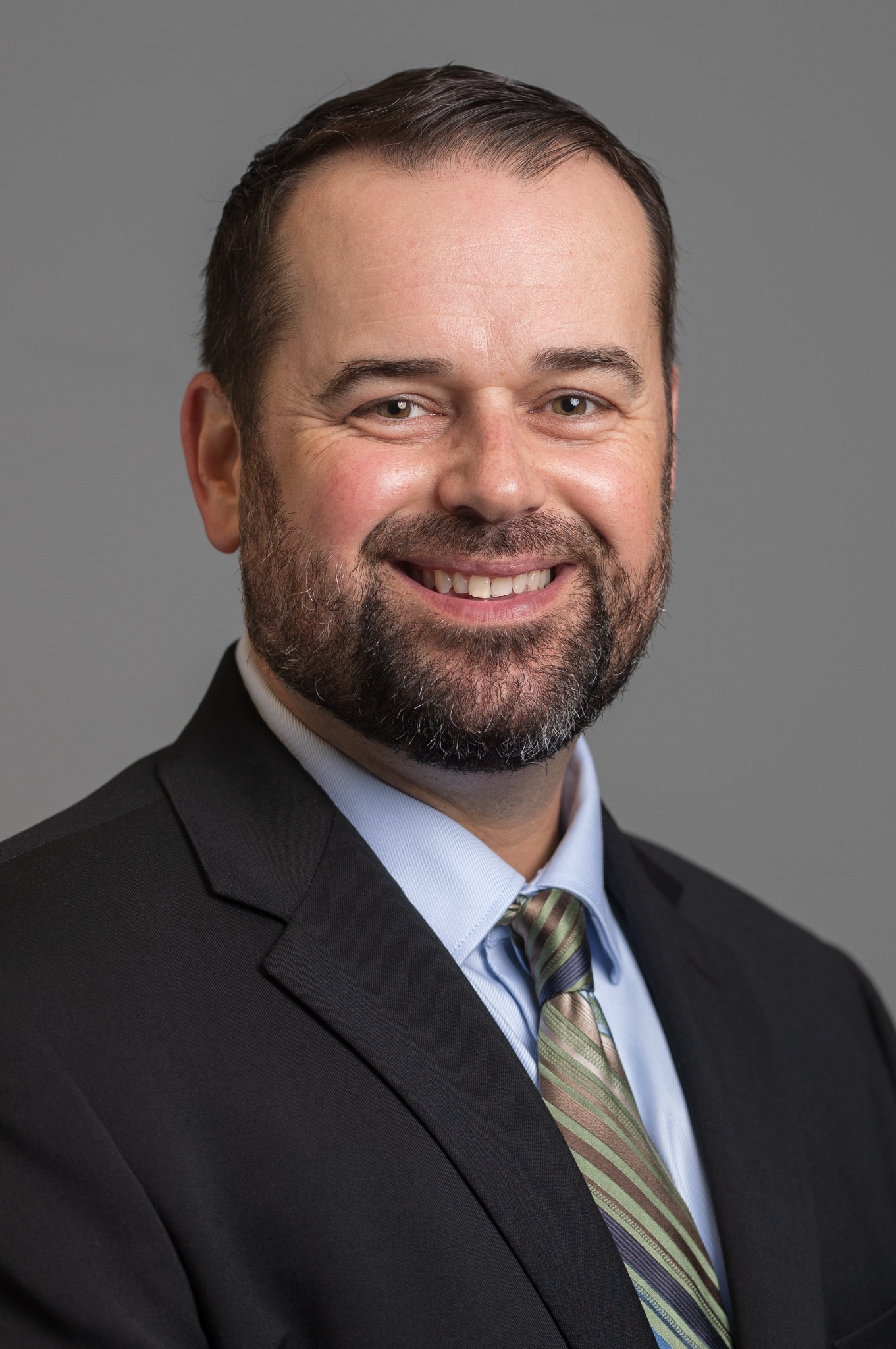
Kenneth W. O’Connor, Ph.D.
Professor, researcher, and business practitioner focused on professional sales, supply chain logistics, transportation, artificial intelligence, defense manufacturing ecosystems, and applied business education.
Ideas on business, technology, supply chains, sales, education, and the changing nature of work.